



What We Cover
Every article on Perser Bid fits into the bigger picture of homeownership. Whether you are laying floors or rewiring a panel, we break down the knowledge that saves time, money, and second-guessing.

Structure & Foundation
Concrete work, masonry repairs, roofing systems, and the bones that hold your home together.
Surfaces & Finishes
Paints, sealants, flooring choices, wall treatments, and the layers that define your home.
Systems & Utilities
HVAC, insulation, electrical, and plumbing. The invisible infrastructure keeping everything running.
Living Spaces
Kitchens, bathrooms, outdoor areas, windows, and doors. The spaces where life actually happens.
Explore by Category
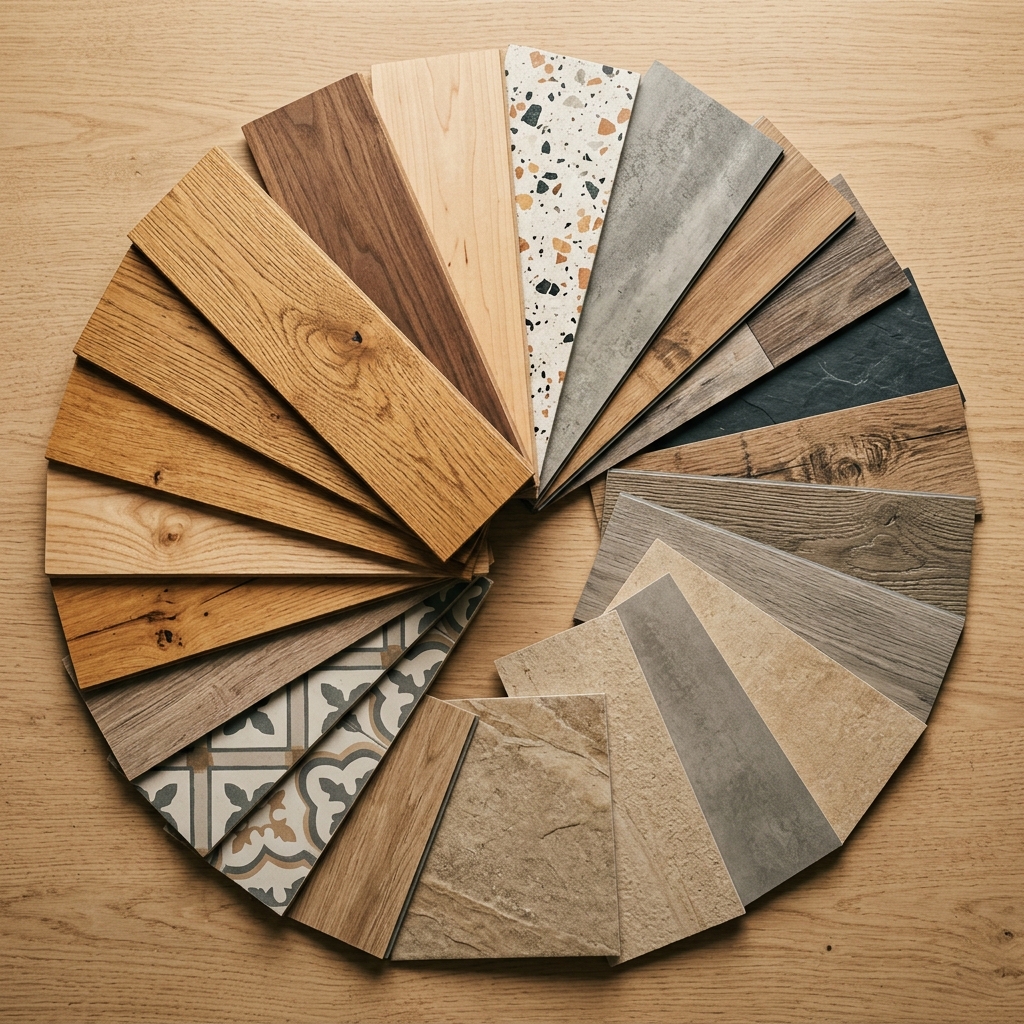 Flooring
 Paints & Sealants
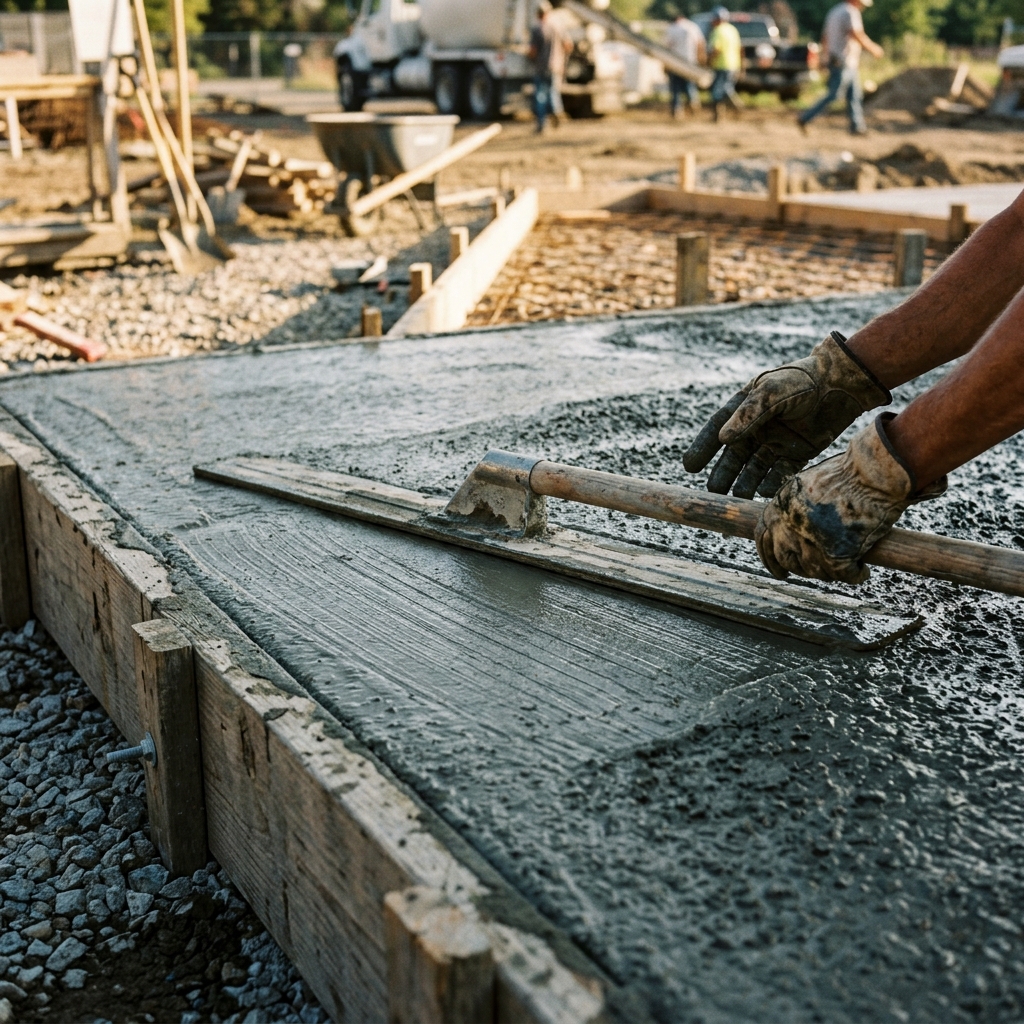 Concrete & Masonry
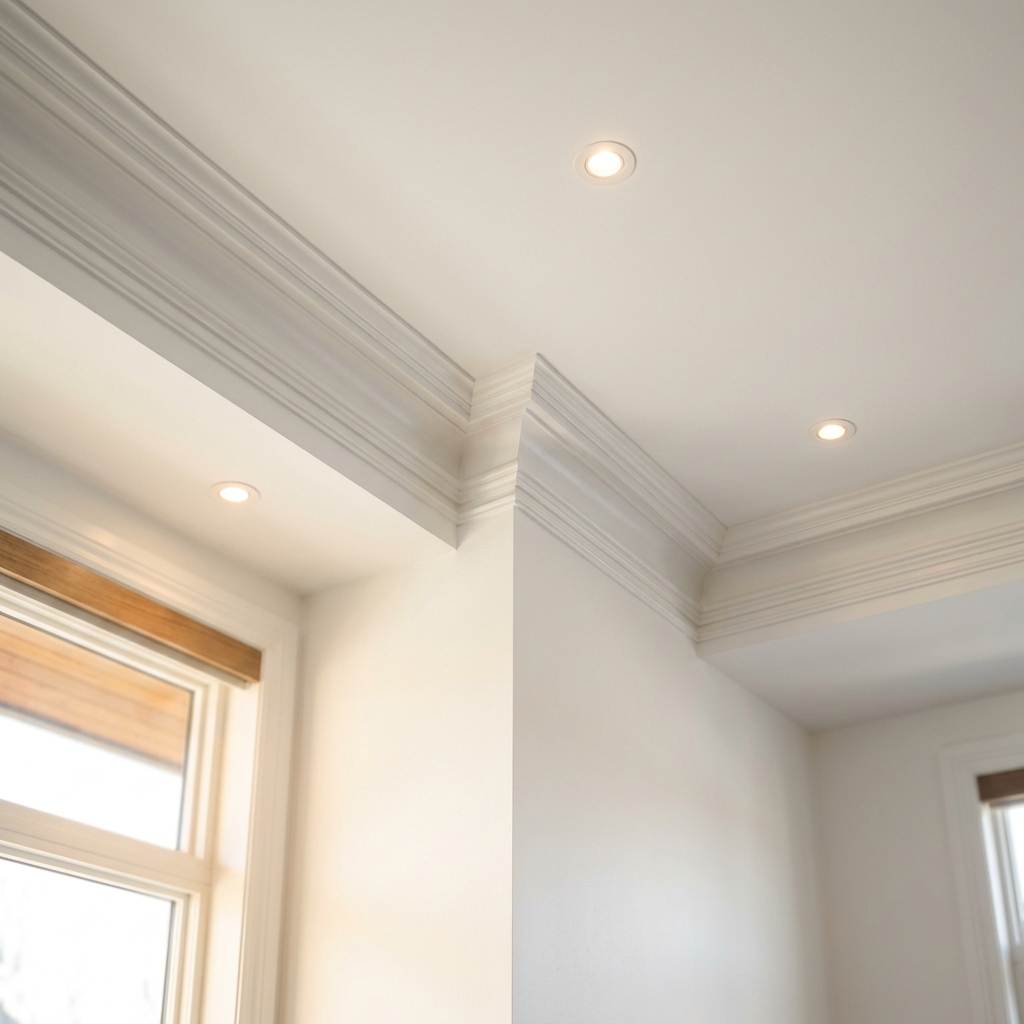 Walls & Ceilings
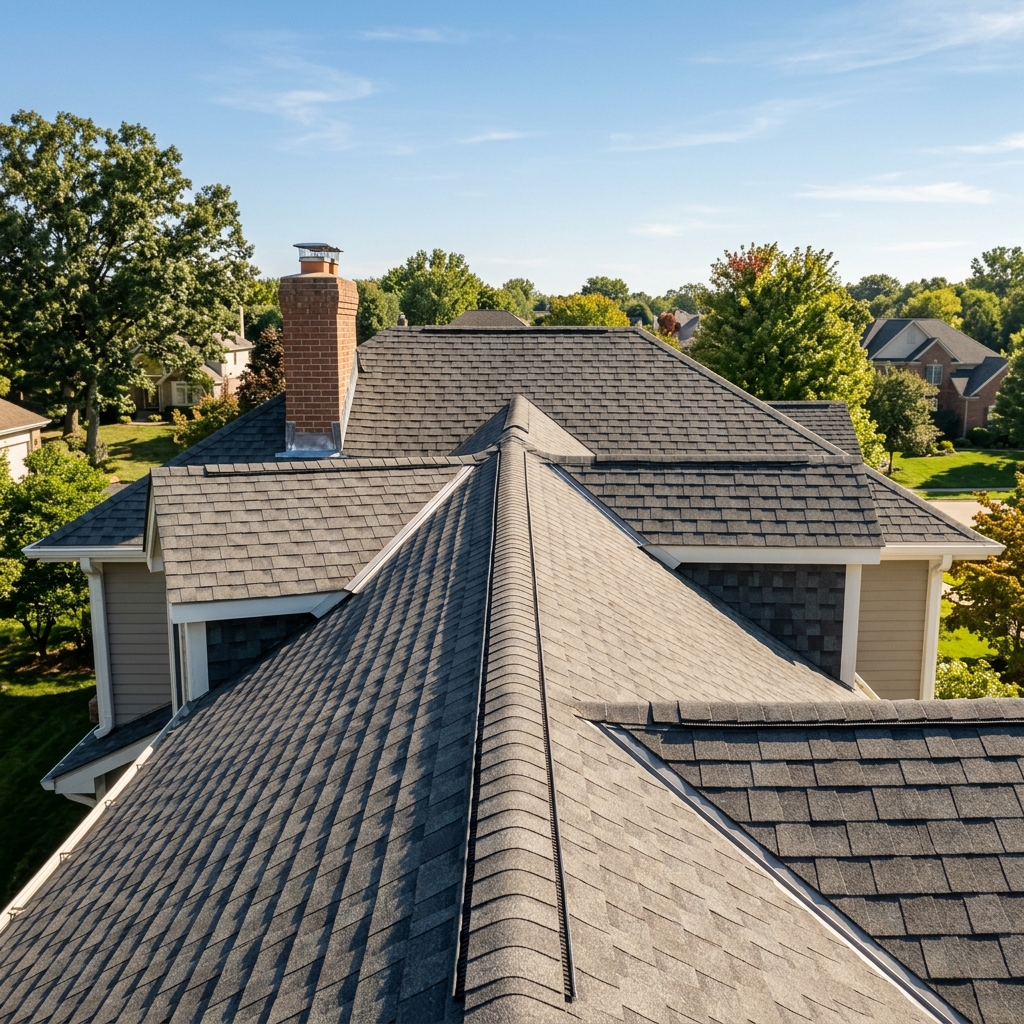 Roofing & Exterior
 Kitchens & Bathrooms
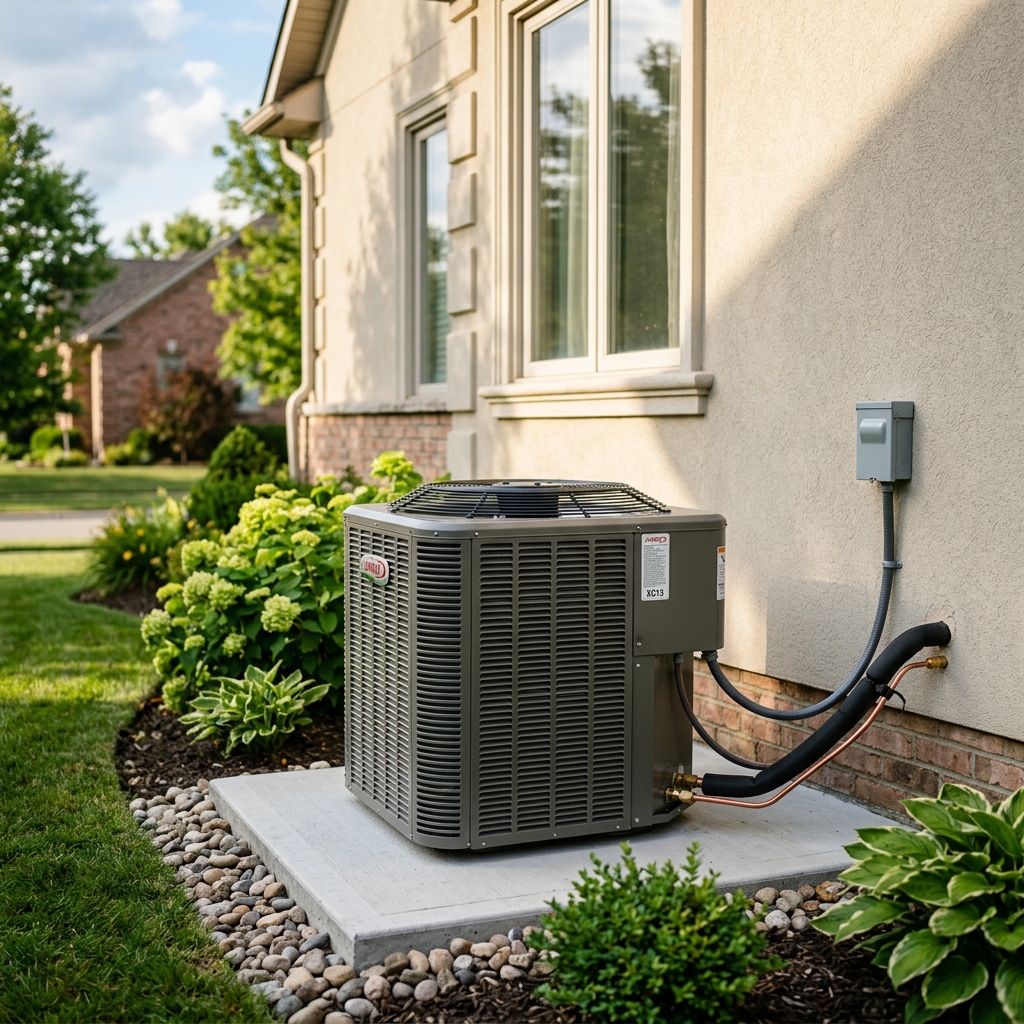 HVAC & Insulation
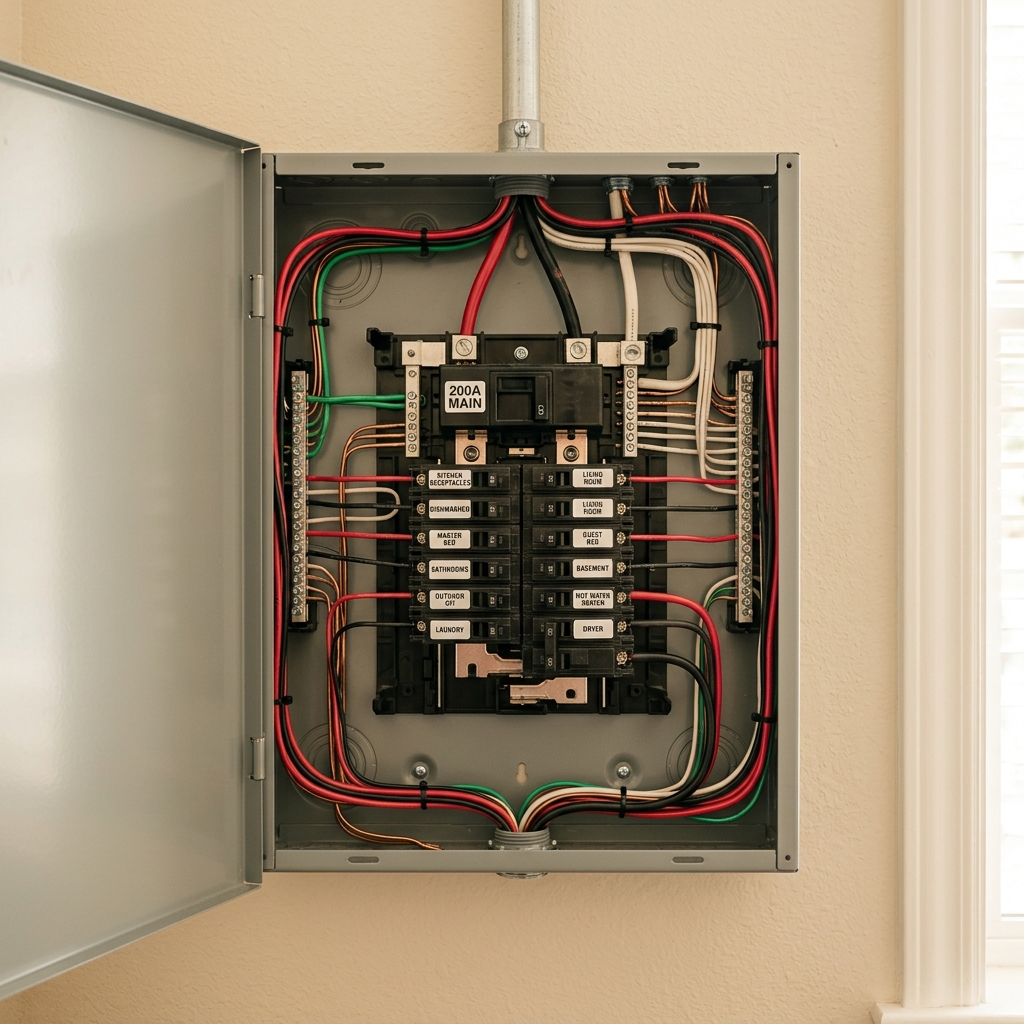 Electrical
 Outdoor Living
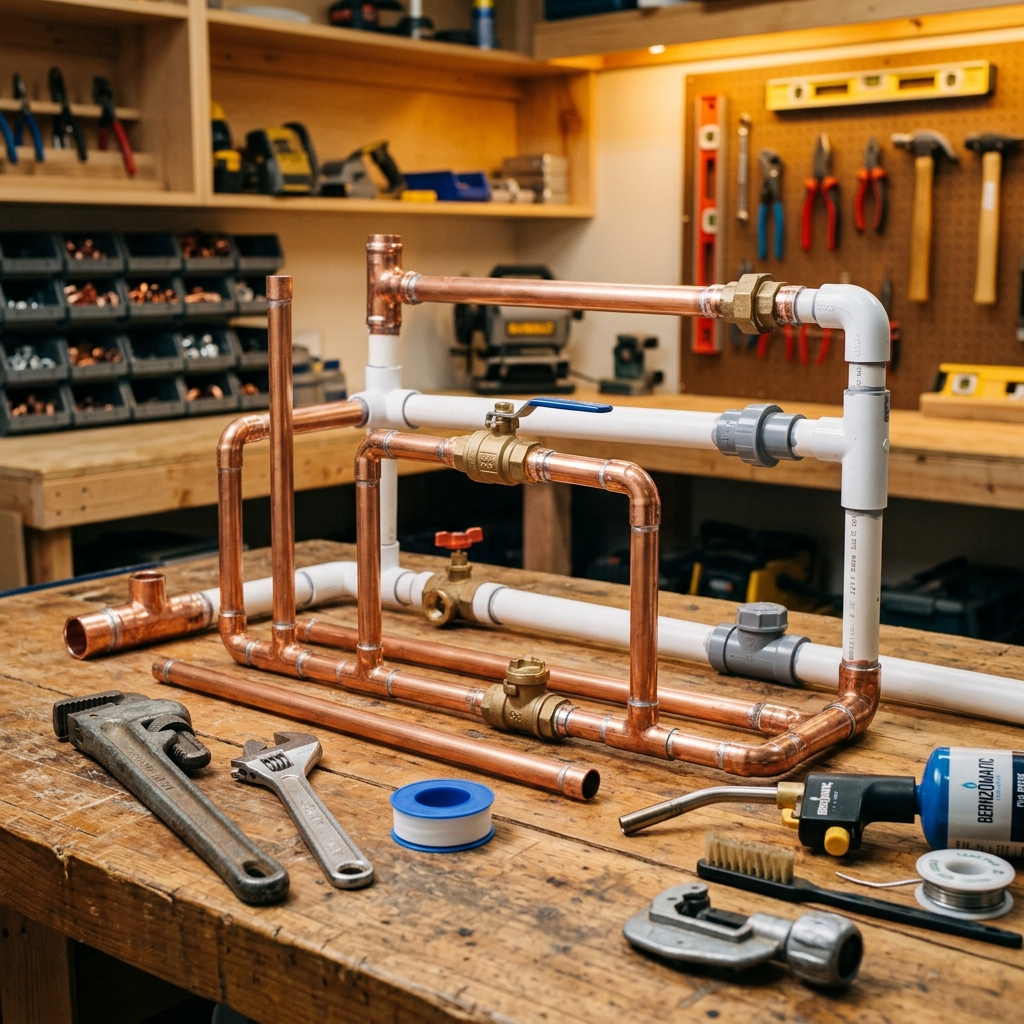 Plumbing
 Windows & Doors

James Thomas
Quick Answers
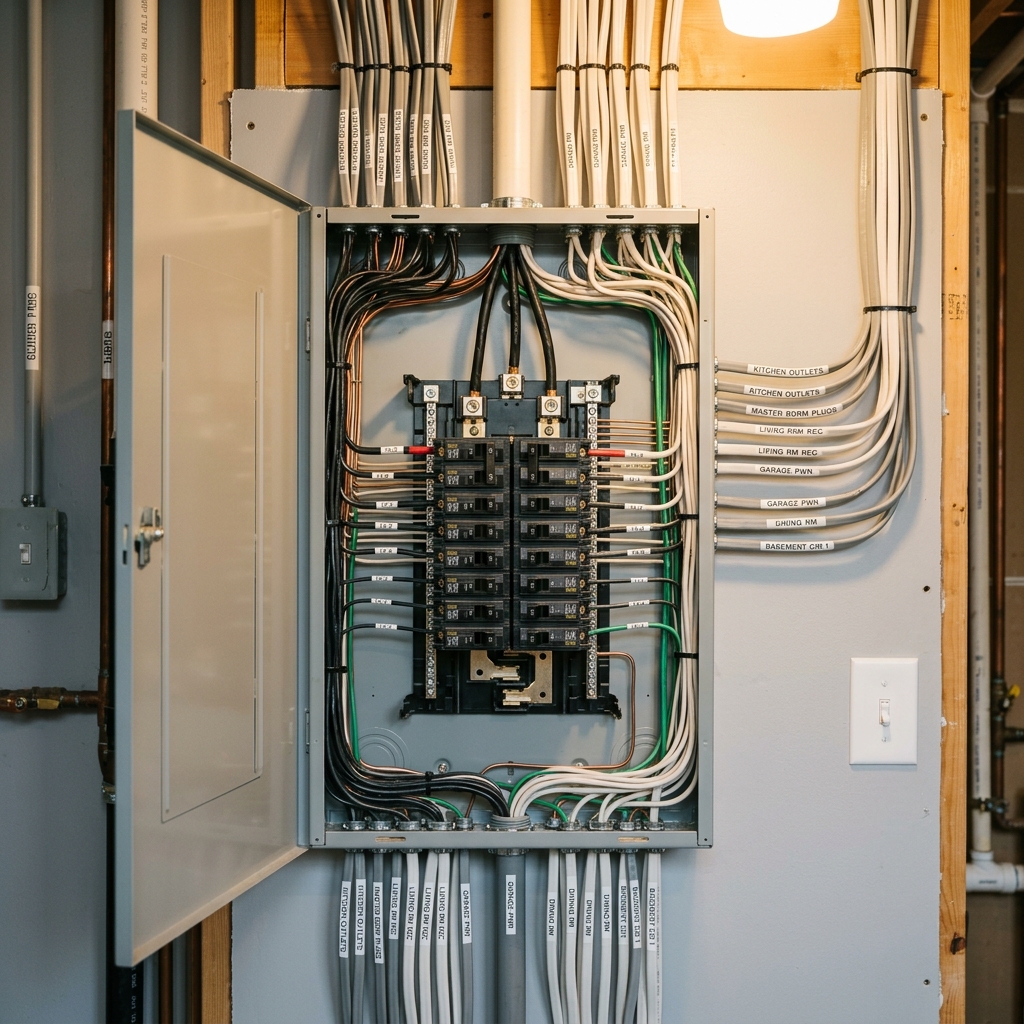
A home run in electrical wiring refers to a dedicated circuit that runs directly from the electrical panel to a single outlet or appliance. Unlike daisy-chained circuits, home runs provide isolated power delivery, which reduces voltage drop and is required for high-draw appliances like ovens and HVAC units.
Read the full guide →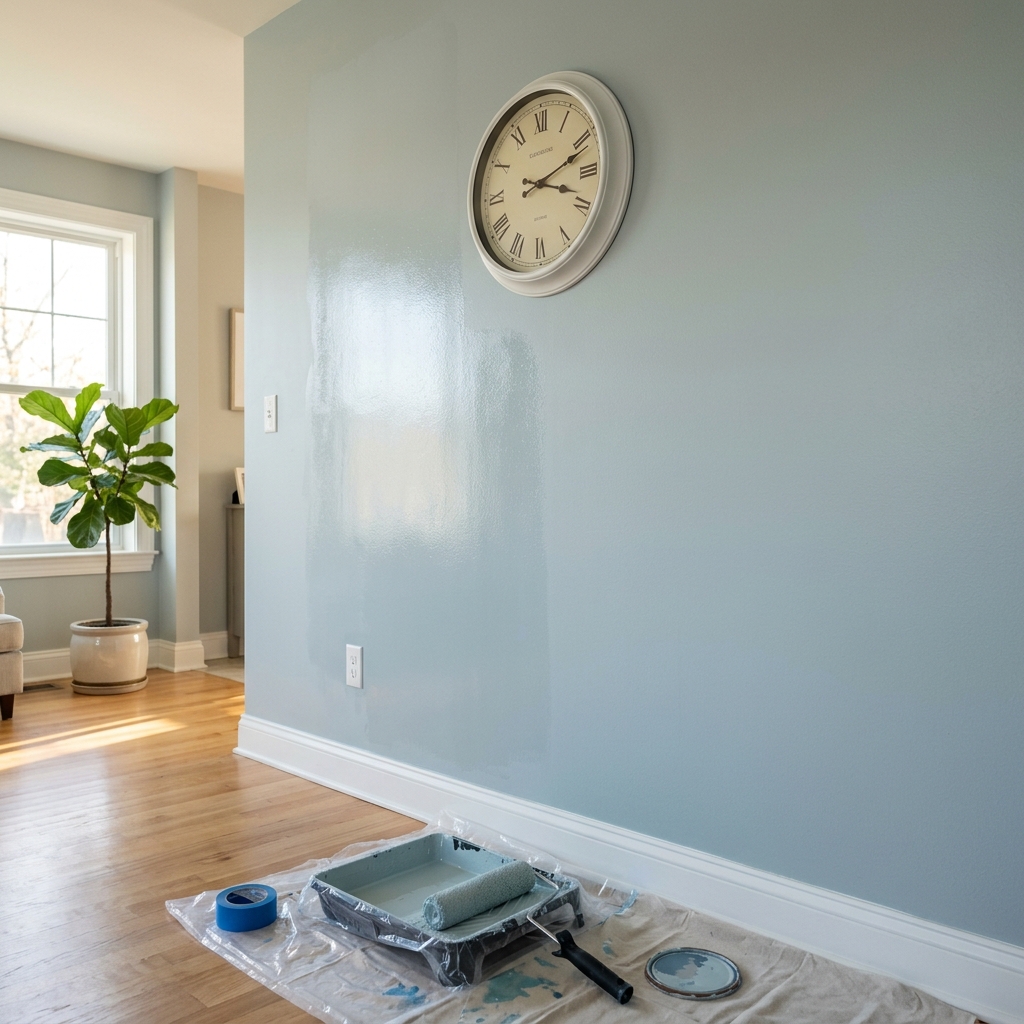
Latex paint typically dries to the touch within 1-2 hours, but full curing takes 14-30 days depending on temperature, humidity, and ventilation. During the cure period, the paint film hardens completely and reaches maximum durability. Avoid scrubbing or heavy contact until fully cured.
Read the full guide →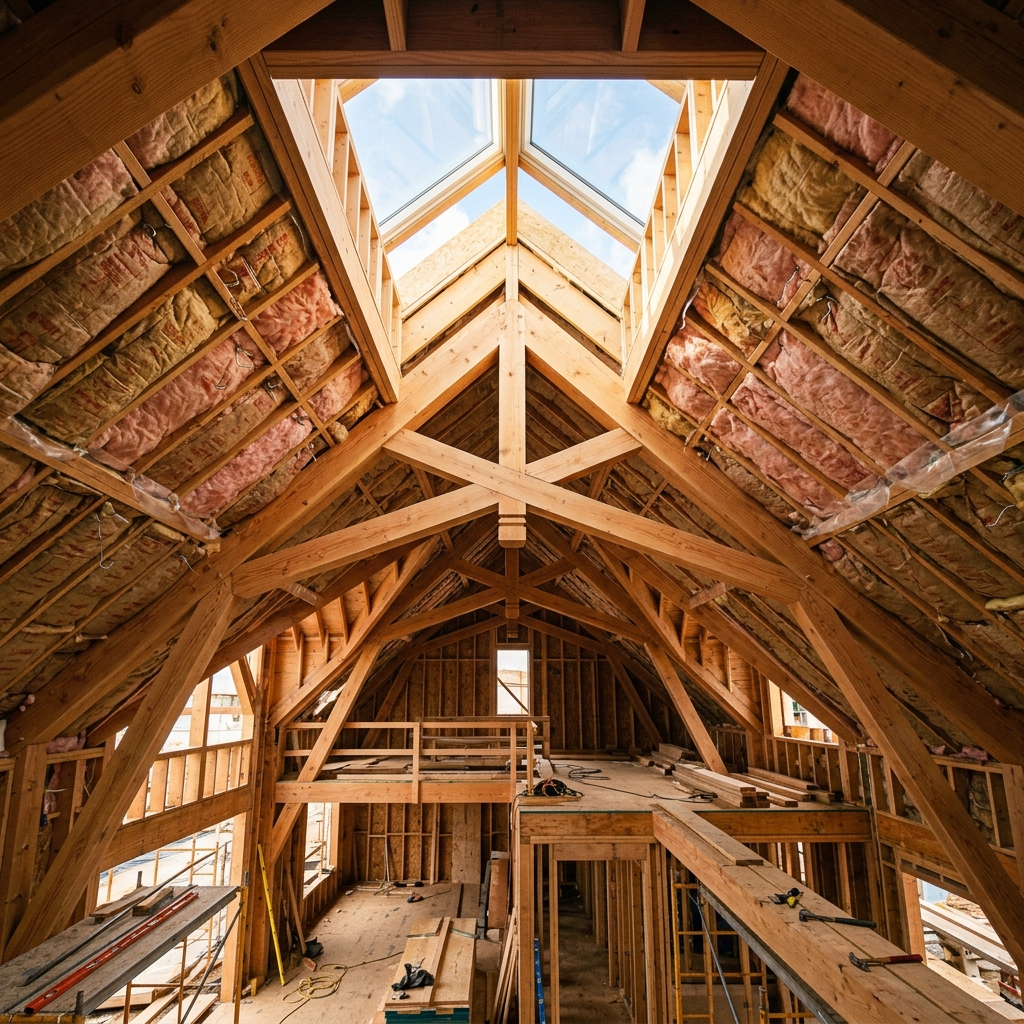
Vaulted ceilings present unique insulation challenges because of limited rafter depth and the need for ventilation channels. Options include fiberglass batts with baffles, spray foam insulation, or rigid foam boards. Proper air sealing and a continuous vapor barrier are critical to prevent moisture issues in cathedral ceilings.
Read the full guide →